Choosing a Potting Bench Surface: Wood, Metal, or Composite — Practical Trade-offs
Problem
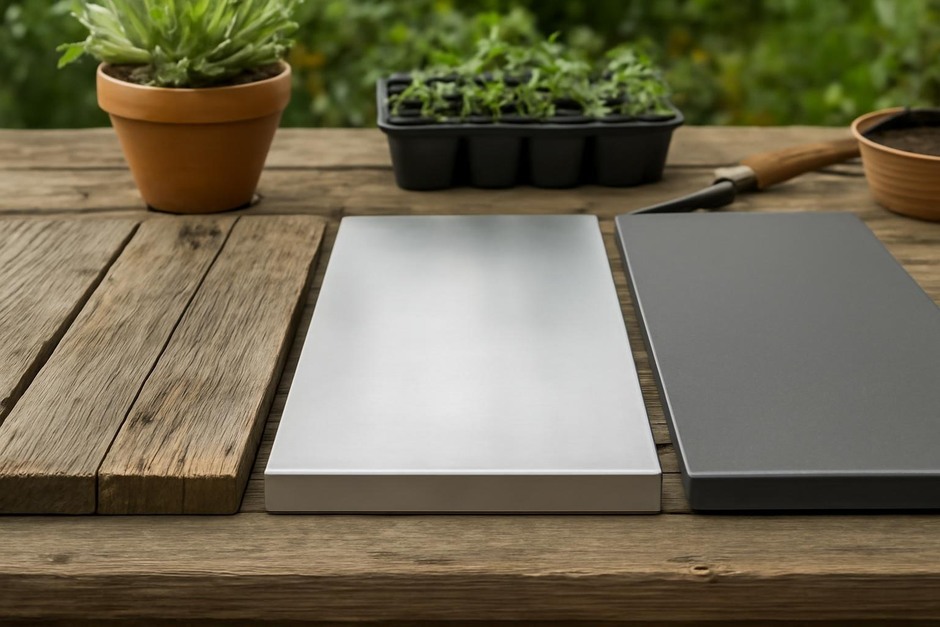
Choosing the right surface for a potting bench is a small decision that shapes daily tasks: repotting, mixing soil, cleaning tools, and handling damp plants. A bench that stains easily, warps after a season, or dents from dropped tools can make gardening feel fiddly. Conversely, an overly heavy, cold, or slippery surface may be impractical for a small balcony or a cozy garden shed. Instead of seeking an ideal, this note frames the decision as a set of trade-offs among common materials and methods so you can match a surface to how you garden.
Principles
When comparing materials, consider these guiding principles. They help translate abstract properties into everyday effects.
- Durability vs. Repairability: Some surfaces resist wear for years but are difficult or costly to repair if damaged (e.g., stainless steel). Others show signs of age but can be sanded or patched (e.g., solid wood).
- Water and Soil Interaction: Porous materials absorb moisture and stains; non-porous ones resist them but may be noisy or cold to work on.
- Weight and Installation: Lighter materials suit balconies and movable benches, heavier ones work for fixed, stable workstations.
- Tool and Plant Compatibility: Some tops scratch easily or dull blades; others may be too hard and chipping-prone for terracotta pots.
- Maintenance Rhythm: Ask how often you are willing to sand, oil, reseal, or simply wipe down a surface.
- Aesthetics and Context: A surface that fits the look of a greenhouse might feel out of place on a rustic porch. Choose for use first, then look.
Examples
Below are three common potting-bench setups and the material choices that fit them, with neutral trade-offs.
1. Balcony Gardener: Lightweight and Low-Maintenance
- Recommended surfaces: Composite decking board, sealed plywood, or a thin sheet of powder-coated steel.
- Trade-offs: Composite boards resist moisture and staining and are relatively light, making them suitable for rail-mounted benches. They can be pricier than raw wood and may look less natural. Sealed plywood is economical and warm under the hands but will require periodic re-sealing to avoid delamination. Thin powder-coated steel is very water-resistant and easy to clean but can dent and get hot in sun-exposed spots.
- Why it fits: The priorities are minimal upkeep, manageable weight, and resistance to frequent light watering and spills.
2. Greenhouse or Utility Shed: Hard-Wearing, Frequently Used Workspace
- Recommended surfaces: Stainless steel sheet, galvanized metal, or thick hardwood such as oak or iroko.
- Trade-offs: Stainless steel is non-porous and hygienic, resists stains, and handles repeated cleaning; it is heavier and may dent if struck. Galvanized steel is more affordable but may corrode over many seasons if the coating is compromised. Hardwood provides a forgiving work surface that is repairable and gentle on pots but requires treatment to resist rot and can be heavier and costly.
- Why it fits: High use benefits from durability, ease of cleaning, and resistance to mold—materials that support daily tasks without frequent renovation.
3. Cottage or Rustic Space: Character and Repairability
- Recommended surfaces: Reclaimed timber, end-grain butcher block, or concrete topped with a sealer.
- Trade-offs: Reclaimed wood brings visual warmth and ages attractively; it may need more attention to avoid rot and insect issues. End-grain butcher block resists cuts and can be sanded for renewal but is porous and must be oiled. Concrete is extremely durable and heavy, resists heat, and can be textured to reduce slipping; it’s permanent and requires good support.
- Why it fits: These choices emphasize tactile character and long-term repairability over ultra-low maintenance.
Concise Practice Checklist
- Match material to use: light and weather-resistant for balconies, hard and cleanable for greenhouses, repairable and warm for cottage benches.
- Consider weight limits and mounting before choosing thicker or heavier tops.
- Account for moisture: prefer non-porous or properly sealed surfaces where soil and water are frequent.
- Plan maintenance: oil/seal wooden tops annually; sand and reseal when signs of wear appear.
- Protect against impact: add a sacrificial cutting board or removable tray where heavy work occurs.
- Balance aesthetics and practicality: choose a surface you will happily live with and maintain.
Viewed through materials-and-methods trade-offs, a potting bench surface is less about a single best choice and more about which compromises fit your routine. A modest bit of planning will make your daily gardening tasks quieter and more pleasant.